Safety isn’t compliance – It’s a cultural gravity thing
Compliance is the bare minimum: rules, policies, checklists, training records, and audit scores that keep senior executives and leaders happy and protect the organisation on paper.
It’s reactive, top-down, and often feels like policing.
Why most safety programs fail
Because unsafe behaviour, shortcuts, and workarounds aren’t primarily about laziness or ignorance. They emerge when anti-gravity forces win the tug-of-war – production pressure, awkward site layouts, mixed leadership signals, or stories that celebrate “getting it done” over “doing it right.”
Compliance fights symptoms. Gravity addresses the root by redesigning the environment so unsafe choices become harder and less appealing.
Real safety is cultural gravity
The invisible, self-sustaining pull that makes safe behaviour the natural, default choice – even when no one is watching, deadlines are tight, or shortcuts look tempting.
Like physical gravity, it operates effortlessly once engineered correctly, and the right conditions exist.
People don’t have to be convinced, supervised, or incentivised – safe work simply becomes natural, more efficient and normal.
In short:
- Compliance = What you must do to avoid punishment.
- Cultural Gravity = What people actually do because the environment makes safe choices feel smarter.
The 5 pillars of the cultural gravity framework
Leadership Signals – What you notice, praise, tolerate, or stop work for sends the strongest message. Consistent, visible commitment to proper setup over rushed speed creates pull.
Environment Design – Position tools, equipment, and access routes so that correct use is quicker and more convenient than bypassing them. Small layout changes can shift behaviour dramatically without new rules.
Narrative Reinforcement – The stories teams tell each other shape reality. Replace “we’ve always done it this way” with shared pride in safe defaults and near-miss lessons.
Feedback Loops – Real-time, blame-free sharing of observations keeps gravity strong. Hidden problems or zero-incident incentives that discourage reporting weaken it.
Measurement Beyond Metrics – Move past lagging injury counts. Track leading indicators of pull (e.g., quality of near-miss discussions, observed safe defaults during unannounced walks, employee perception of how easy it is to do the job safely).
Ask: “Does safe behaviour feel like the path of least resistance?”
Measure the presence of positive gravity, not just the absence of harm. This keeps the system honest and improvement-focused.
The cultural gravity promise
With all five pillars strong, compliance becomes almost invisible – because safe work is the easiest, most instinctive choice. It emerges naturally because the environment, signals, stories, loops, and measurement all reinforce the same gravitational pull.
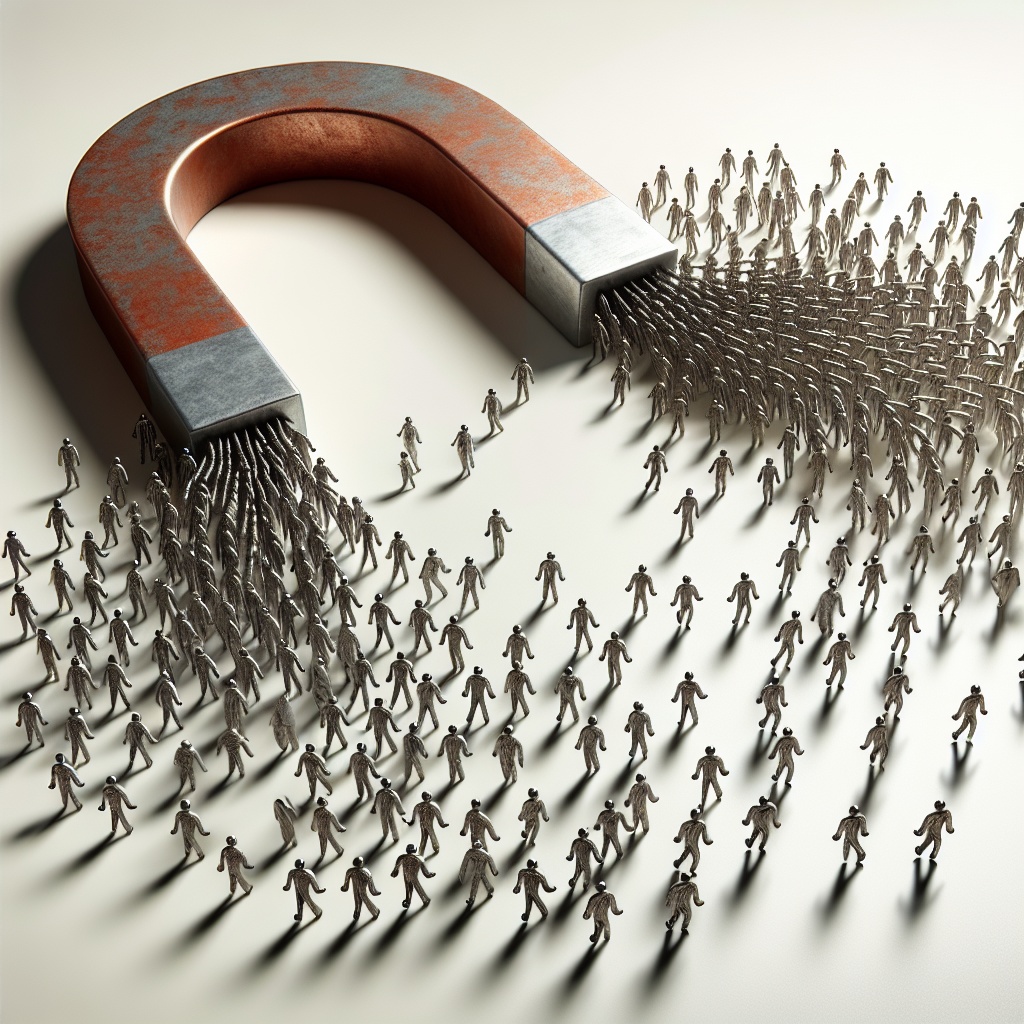
Cultural gravity acts like a magnet, quietly pulling you towards the safest choice.
Your next move
Stop fighting human nature with more rules, processes, and procedures.
Engineer cultural gravity instead.
Build it relentlessly – Watch behaviour change.